Affordability and the Economy
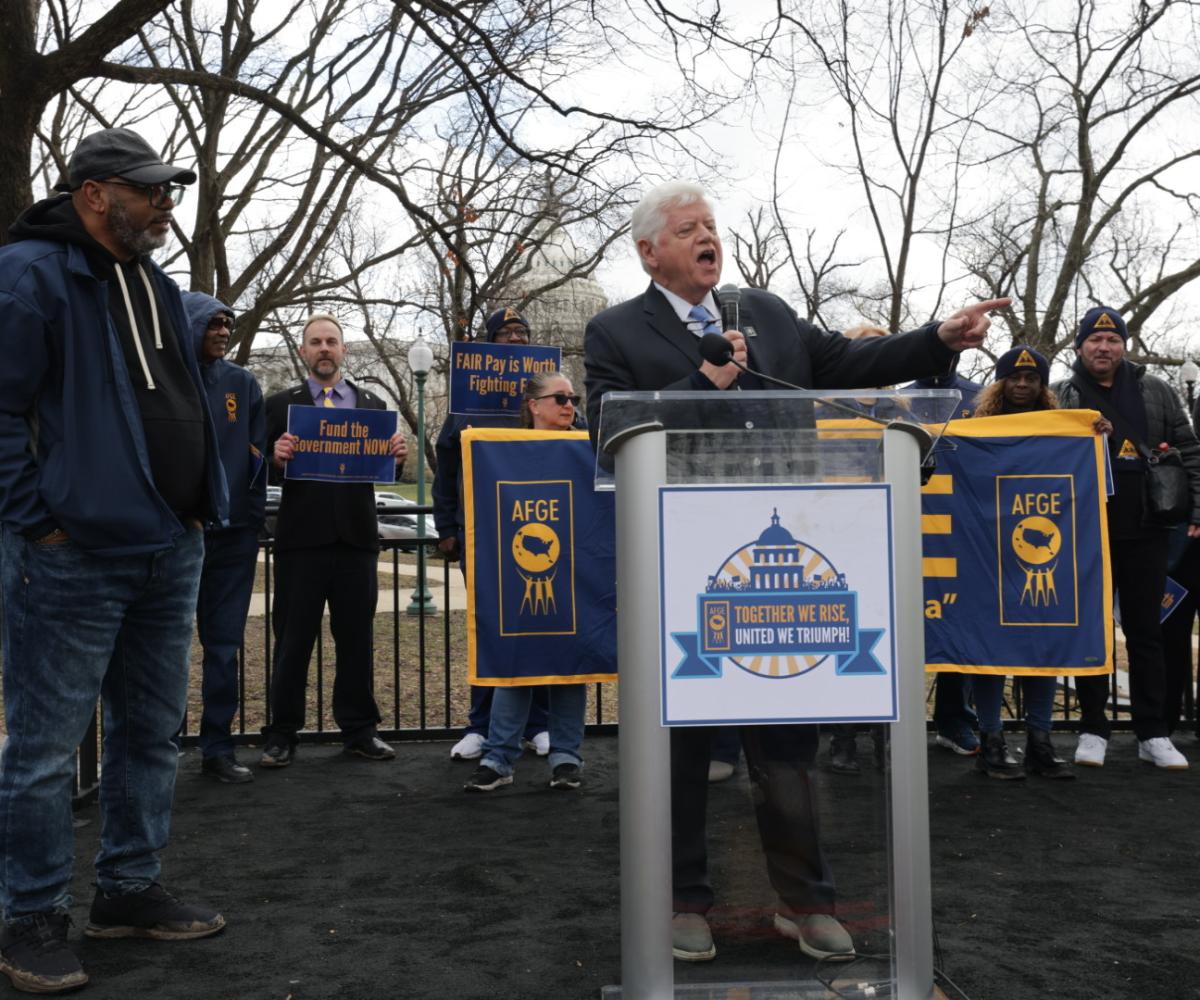
In Washington, Representative Larson is focusing on ending the cost-of-living crisis that First District families are facing. He has spent his career fighting for lower health care costs and fighting corporations driving up prices. He’s continuing to fight for the real solutions his constituents deserve.
Lowering Costs for Families
Americans across the country are getting squeezed by high costs everywhere they look, from energy bills to health care premiums, groceries, and rent. As a Member of the Ways and Means Committee, with jurisdiction over tax policy, Rep. Larson came together with his colleagues to introduce the American Affordability Act to expand affordable housing, lower energy bills, cut taxes for working families, help student loan borrowers, and protect households from skyrocketing health care premiums.
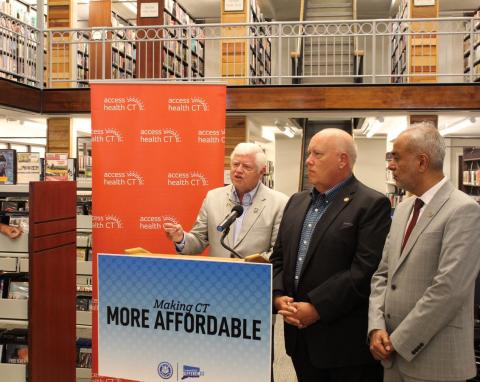
The American Affordability Act:
Expands Access to Affordable Housing
Creates the first-ever monthly Renter Tax Credit for individuals and families paying more than 30% of their income on rent and creates a First-Time Homebuyer Tax Credit to help low- and middle-income earners
Creates a new tax credit to bridge the gap between the cost of building or repairing a home and the home’s value once it is built, powering the development of 500,000 affordable, single-family homes over the next ten years
Incentivizes the conversion of vacant office spaces and other commercial properties into new housing, reserving at least 20% of new units for low-income residents
Increases the homeowner capital gains tax exemption to encourage more home sales and reduce the cost to buy a home, doubling the threshold to $500,000 for single filers and $1 million for joint filers
Lowers Energy Costs
Creates a new 30% tax credit for long-range electric transmission to lower the cost of grid modernization projects, taking steps to prevent mass power outages and lower ratepayer bills
Restores tax credits for homeowners to install home energy efficiency upgrades, solar panels, geothermal, and other cost-reducing power sources
Spurs the development of American-made clean energy by providing a tax credit to companies that reduce carbon emissions by producing "green" and "blue" hydrogen and fuel cells
Authorizes tax credits to purchase new and used electric vehicles and electric bikes
Stops Trump Healthcare Price Hikes
Permanently extends expiring Affordable Care Act tax credits, protecting 112,000 Connecticut residents from sky-high premium hikes
Prevents insurance providers from dropping vaccine coverage due to Secretary Kennedy’s anti-science restrictions, including coverage for MMR, COVID-19 and Hepatitis B shots
Cuts Taxes for Families and Workers
Restores the expanded Child Tax Credit for working parents, providing monthly payments of $300 for each child over the age of six and $360 for each child under the age of six
Extends the Earned Income Tax Credit for adults without children and expands eligibility to cover working young adults
Permanently extends tax cuts for tipped workers, and expands “no tax on tips” to include automatic gratuities
Expands the $250 teacher expense tax deduction to include early childhood educators
Makes Childcare More Affordable
Increases the maximum dependent care Flexible Spending Account (FSA) contribution from $7,500 to $10,000, automatically adjusting the contribution limit for inflation
Creates a new $5,000 refundable tax credit to cover startup costs needed to open family childcare centers
Makes the adoption tax credit fully refundable, opening the door for more low-income families to pursue adoption
Creates a new tax credit to support working family caregivers
Helps Student Loan Borrowers
Doubles the student loan interest tax deduction for married couples, to $2,500 per person and makes any forgiven student loans tax-free
Expands eligibility for the American Opportunity Tax Credit, to support students during the first six years of their higher education with up to $2,000 per year
Excludes Pell Grants from income, ensuring aid received through this program is tax-free for students
The American Affordability Act builds on the successful Inflation Reduction Act, which Rep. Larson helped draft. This landmark legislation is directly lowering health costs, including fulfilling his long-time priority of allowing Medicare to negotiate lower drug prices.
The Inflation Reduction Act:
Lowers Drug Prices through Negotiation – For the first time ever, Medicare will be empowered and required to negotiate lower drug prices. Beginning in 2026, the first ten drugs selected for negotiation will see a price reduction of 39% to 79%, resulting in a collective $1.5 billion savings in out-of-pocket costs. Every year, 15 new drugs will see significant price drops.
Lowers Health Care Premiums – Enhanced Affordable Care Act Marketplace subsidies were extended through 2025, helping 65,000 Connecticut residents on the Access Health CT exchange save an average of $220 per month.
Penalizes Big Pharma for Unfair Price Hikes – Drug companies are now required to pay a rebate if they hike prices faster than inflation. Thanks to these rebates, patients have seen savins on hundreds of prescriptions, including Padcev and Adectris.
Reduces Costs for Catastrophic Coverage – Seniors with catastrophic coverage under Medicare Part D will no longer have to pay 5% coinsurance after they pay $7,050 out of pocket, lowering costs for an estimated 16,000 Connecticut seniors.
Makes Recommended Vaccines Free – Medicare Part D cost sharing was eliminated for recommended vaccines, including shingles and COVID-19. Before the Inflation Reduction Act, seniors would pay an average of $47 and as high as $100 for vaccines.
Caps Insulin Costs for Seniors – Insulin co-pays were capped at $35 per month for seniors on Medicare, a 35% average saving for Part D Beneficiaries. Since the Inflation Reduction Act was signed into law, the largest producers of insulin have dramatically lowered costs for insulin on the private market as well.
Limits Out-of-Pocket Drug Costs – Out-of-pocket drug costs were capped at $2,000 per year for seniors. Starting in 2025, nearly 19 million Americans will save an average of $400 annually.
Rep. Larson is committed to going even further, joining leaders from across the House Democratic Caucus to introduce the Lowering Drug Costs for American Families Act, a comprehensive plan to rein in pharmaceutical price gouging and cut prescription prices for all Americans, including by expanding Medicare price negotiation and out of pocket drug caps to private health insurance plans.
Opposing the Trump Administration’s Costly Tariffs
President Trump’s tariffs are creating chaos for American families. Make no mistake about it - they are a tax on consumers. Since taking office, President Trump has promised, cancelled, implemented, revised, and repealed tariffs without consistent or clear strategic rationale. It’s projected that these tariffs will raise costs by thousands of dollars annually. Rep. Larson is a cosponsor of the Stopping a Rogue President on Trade Act (H.R. 2888), which would suspend President Trump’s tariffs on our friends and allies and require Congress to vote before new tariffs can go into effect. He also joined his colleagues to introduce the Prevent Tariff Abuse Act, preventing presidents from unilaterally abusing their power to impose cost-raising tariffs, something they do not have the authority to do.
Fighting to Repeal the “Big, Ugly Bill”
The Republican Budget is going to make life more costly for working middle-class Americans while enriching the billionaire class. Rep. Larson has been fighting this unjust plan every step of the way. Unless repealed:
15 million Americans will lose their Medicaid or Affordable Care Act coverage, including 186,580 Connecticut residents.
If you purchase a plan on the Access Health CT exchange, your household’s premiums are slated to go up by an average of $1,550 next year. Some households may see premium costs rise over $20,000 for the year.
Pell Grants for 43,735 college students in Connecticut will be reduced or eliminated.
Rep. Larson is committed to rolling back these devastating cuts. Instead of giveaways to billionaires, he’s focused on lifting Americans out of poverty and strengthening the middle class by expanding programs like Social Security, Medicare, Medicaid, and the Affordable Care Act.
While the wealthiest 0.1% in our nation will see an annual tax cut of $309,000, those earning under $50,000 will receive $245, with some households seeing their taxes increase.
Rep. Larson joined his Democratic colleagues on the Ways and Means Committee in forcing Republicans to hold a 15-hour markup of the “One Big, Ugly Bill”, exposing the impact the law would have on the American people. Throughout the markup, Democrats put Republicans on the record, exposing their opposition to making the wealthy pay their fair share, preventing devastating insurance premium hikes, and expanding Social Security benefits. Throughout this process and now, Rep. Larson is in contact with state elected officials and health care leaders to examine the impacts of this legislation, speaking out against cuts to Medicaid, Medicare, and food assistance and giveaways to the wealthy. He is already cosponsoring legislation to stop Affordable Care Act and Medicaid cuts and will continue to fight this law tooth and nail until it’s repealed.
Tackling the Cost of Housing
Housing costs in Connecticut over the last year rose a stunning 9.4%, the third highest increase in the nation, and a rate more than double the national average of 4%. Rep. Larson knows we need to take bold action to drive down the cost of housing and has introduced legislation to increase its supply, focusing on the challenges and opportunities in the First Congressional district.
Rep. Larson introduced the bipartisan Neighborhood Homes Investment Act to create and preserve 500,000 housing units across the country. Across the First District, there are homeowners with homes in disrepair that cannot afford renovations, and neighborhoods with rundown properties that cannot attract buyers. This innovative legislation would create a new tax credit to make repairs financially viable, for the homeowner or a developer. This legislation invests in our communities, focusing on investment, not displacement to build housing supply. That’s why Hartford Mayor Arunan Arulampalam led a successful effort to secure the bill’s endorsement from the U.S. Conference of Mayors.
As many businesses moved to hybrid work models during the COVID-19 pandemic, downtowns like Hartford’s facing a record number of office building vacancies, leaving downtown businesses suffering from a disappearing customer base and jeopardizing the economic viability of the region. Rep. Larson introduced the bipartisan Revitalizing Downtowns and Main Streets Actto support make the conversion of unused office spaces into reliable housing financially viable, expanding access to quality, affordable housing for residents, spurring economic growth, and preserving the vibrancy of our downtowns.
Rep. Larson is also taking direct action, securing $1.6 million in direct funding to assist with the construction of the Mallory View affordable housing complex in Barkhamsted, allowing for the creation of the town’s first affordable housing project and $1 million for the Winsted Health Center to help build affordable housing for veterans in Winsted.
More on Affordability and the Economy

Washington, D.C. - Today, House Social Security Subcommittee Ranking Member John B. Larson (CT-01) released the following statement after the Social Security Administration (SSA) announced a 3.6 percent Social Security Cost-of-Living Adjustment (COLA) for 2027.
Hartford, CT — Today, Reps. John B. Larson (CT-01), Joe Courtney (CT-02), Rosa DeLauro (CT-03), Jim Himes (CT-04), and Jahana Hayes (CT-05), and Senators Richard Blumenthal and Chris Murphy announced over $75.3 million in Low Income Home Energy Assistance Program (LIHEAP) funding to Connecticut for FY27 allocated through the Continuing Resolution.

Hartford, CT – Today, members of the Connecticut Congressional delegation joined Governor Ned Lamont to announce a disaster declaration from the U.S. Small Business Administration (SBA) for Fairfield County and the contiguous counties of New Haven County and Litchfield County in response to the flash flooding event that impacted the region on September 13, 2026.
Washington, D.C. - Today, Rep. John B. Larson (CT-01) voted for a bill that extends government funding, without money for ICE or the Border Patrol, and blocks the White House’s plan to hand President Trump’s political appointees full control of the federal grant process.

MANCHESTER, CT — Changes in federal housing laws under the 21st Century Road to Housing Act raise new questions for Connecticut builders and developers, elected a panel of housing providers, advocates and elected officials who gathered in Manchester recently to discuss how to leverage the bill to address the state’s housing issues.

U.S. Rep. John Larson, Connecticut State Rep. Matthew Ritter, and dozens of elected officials, project leaders and community members celebrated the groundbreaking of the fourth phase of the Willow Creek redevelopment effort in Hartford. The event, which was hosted by the City of Hartford along with project developers JHM Group and The Richman Group, was held at the site which brings another $33 million investment to the city.

Washington, D.C. - House Social Security Subcommittee Ranking Member John B. Larson (CT-01) and Senator Richard Blumenthal (D-CT) introduced the Social Security 2100 Act, legislation to increase Social Security benefits and make the critical system financially stable throughout the 21st Century. As our nation’s bedrock social insurance program, Social Security is the most important source of retirement income for 4 out of 5 seniors and provides vital protections for disabled workers and families who have lost a breadwinner.
The Ambulatory Surgery Center Association (ASCA) announced its support for the Outpatient Surgery Access Act of 2026.